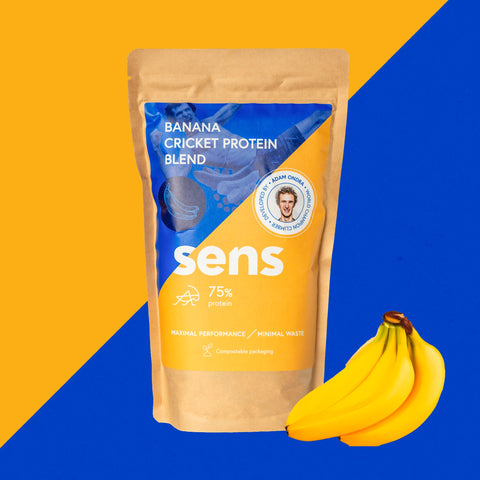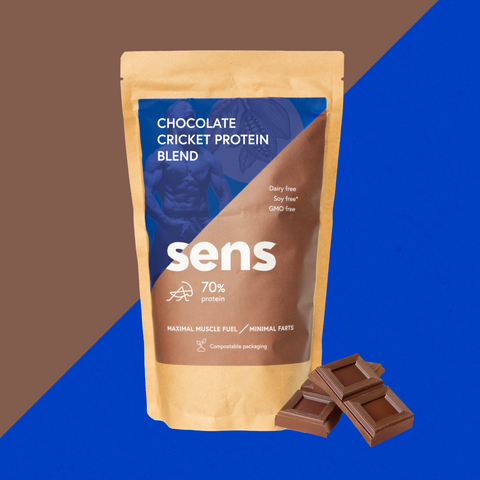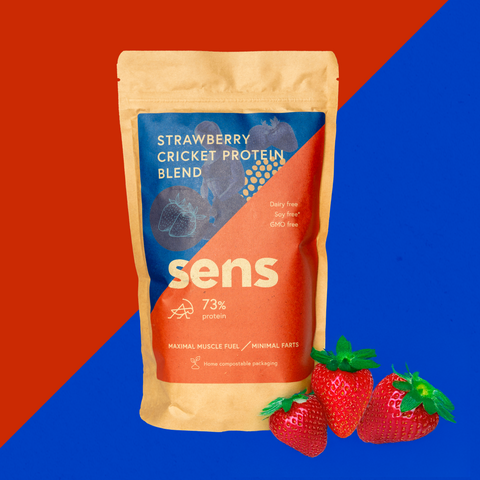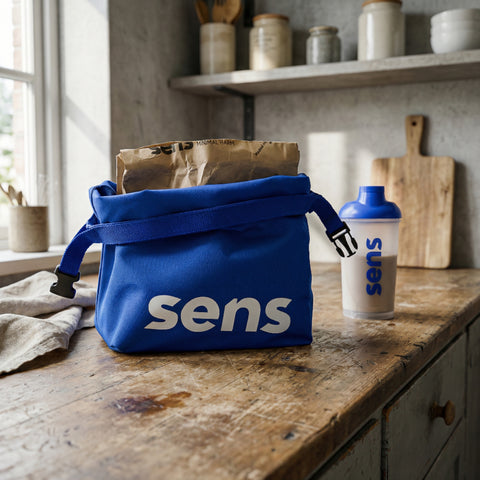
Climb the Plastic-Free Protein Route

10 000 tonnes of plastics
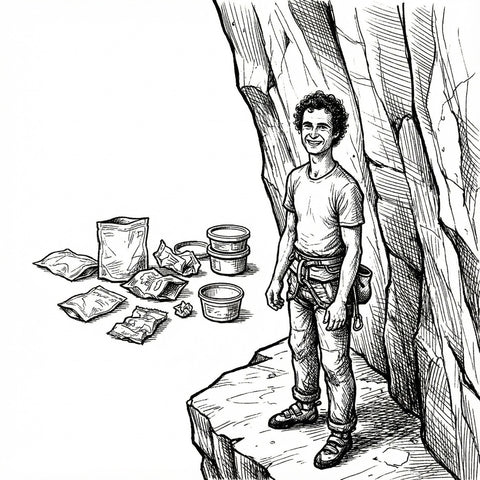
Every workout ends the same way: you open the packet and bin the packaging. Across Europe, that habit creates around 10,000 tonnes of plastic protein packaging every year. Recycling only catches some of it. The rest is burned, buried, or escapes into nature as microplastics.
All protein servings, zero plastic
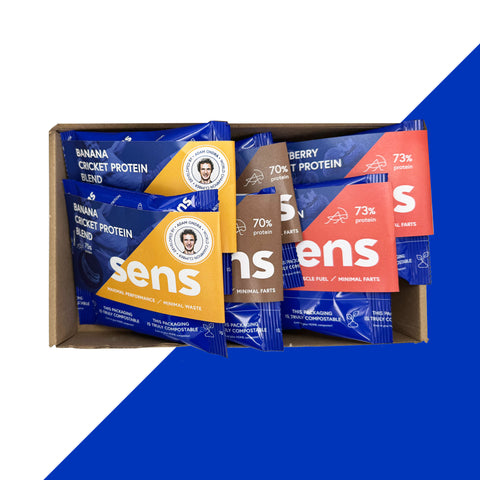
Early “compostable” materials still turned into microplastics, so we switched to certified materials that break down within 8–12 months in home compost, soil or even the ocean – without leaving microplastics behind.
Together with you, we’re now testing paper packaging for our larger blends – proving that even big 1.5 kg protein bags can be safely made without plastic.
Box, tape, filling – everything paper
Your plastic-free experience shouldn’t be ruined by what happens in the warehouse. When you order Sens protein, your parcel arrives in a cardboard box, sealed with paper tape and protected with paper filling – no plastic bubbles, pillows, or foam chips.
We also try to pack smart and small, so you’re not paying to ship air. Eco-friendly packaging comes at no extra cost. It’s not an add-on or a premium option – it’s our standard, because we actually mean it.
Maximal nutrition, minimal harm protein
Plastic-free on the outside is only half the story. Sens protein is sustainable at its core. We use a combination of plant protein and cricket protein that offers the same protein quality as high-end beef, while being responsible for up to 100× less CO₂ in production. Crickets need less feed, less water, and less space than conventional livestock – and still deliver complete, high-quality protein.
Want to dive deeper? Read more on our science and sustainability page.
Plastic-Free Protein Blends